Land Your Dream Aviation Job with a Standout Resume
In the competitive world of aviation, your resume is your boarding pass to an interview. It’s the first impression a recruiter or hiring manager has of you, and in an industry where precision, professionalism, and attention to detail are paramount, a generic document simply won’t fly. You need a tool that not only lists your qualifications but also communicates your brand and professionalism instantly. This is where a specialized Aviation Airlines Resume Template CV becomes your most valuable co-pilot.
Forget the bland, text-heavy documents that blend into a pile. A well-designed template is built with a clear visual hierarchy, guiding the reader’s eye to your most critical achievements—your flight hours, certifications, and specialized training. It’s about more than just good looks; it’s about readability and strategic communication. The right layout ensures that whether a recruiter is scanning for 30 seconds or studying for 5 minutes, they find the information they need effortlessly, creating a positive brand perception of you as a candidate before you even speak.
More Than a Template: A Design Asset for Your Career
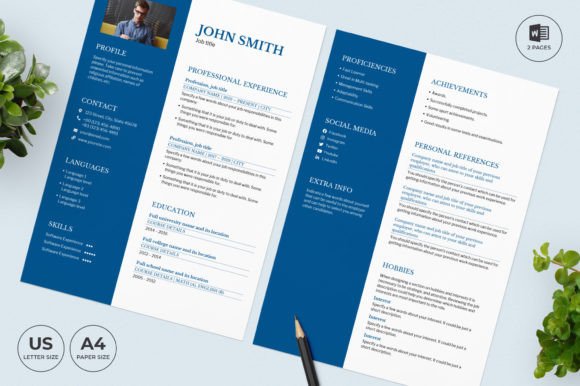
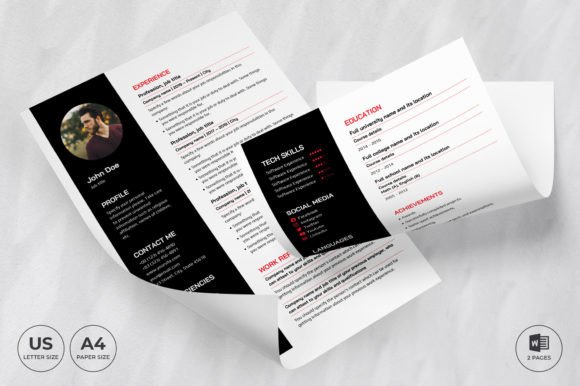
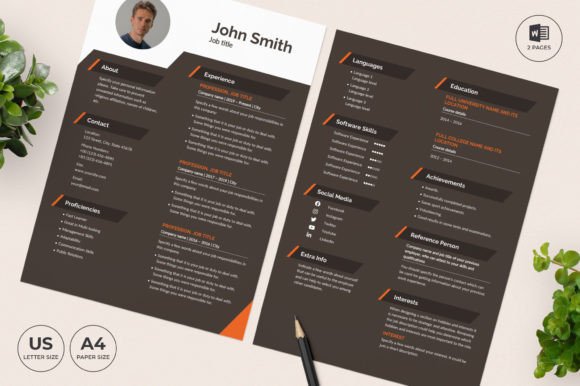
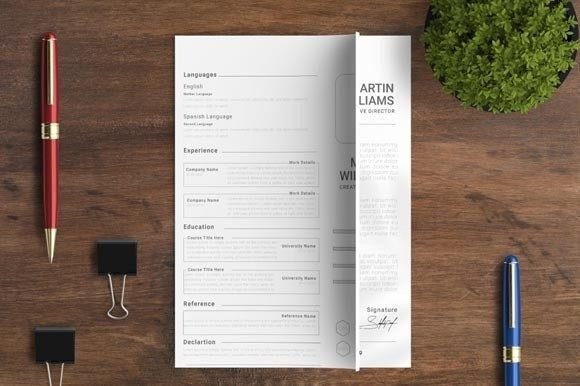
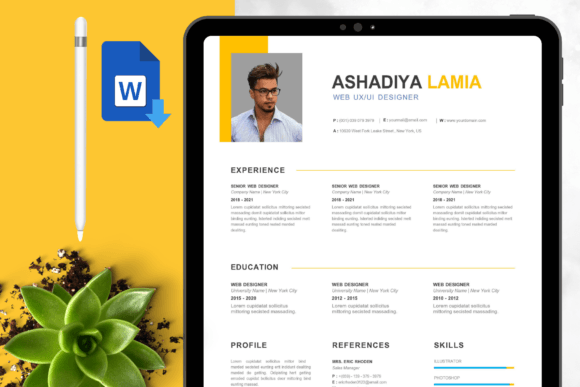
Think of this Aviation Airlines Resume Template CV not as a static form, but as a dynamic design asset. Its clean, modern, and professional aesthetic is carefully crafted to reflect the high standards of the airline industry. The layout is designed to a grid, ensuring perfect alignment and balance, which subconsciously signals organization and clarity. This is modern typography in action—using space, line, and structured sections to build a document that feels both authoritative and approachable.
The true power lies in its complete customizability. This isn’t a locked PDF. You receive fully editable files in Microsoft Word (DOCX), the industry-standard format for applicant tracking systems (ATS). You can change every single word, adjust any color to match a personal brand or the airline’s corporate colors you admire, and even swap the fonts to suit your taste. Need to add or delete sections? No problem. Perhaps you have a unique credential like a type rating for a specific aircraft that deserves its own highlighted section. This flexibility allows you to craft a truly personal narrative while maintaining a professional structure.
Strategic Applications in a Crowded Job Market
While built for pilots, cabin crew, and aviation management professionals, the principles of this template extend to anyone in a technical or service-oriented field. Its strength is in presenting complex information—logbooks, safety records, technical skills, customer service metrics—in a digestible, neatly organized format. This approach is invaluable for brand identity in your job search. You are not just an applicant; you are a professional with a defined, polished presentation.
Consider how this impacts audience engagement. A recruiter reviewing dozens of resumes will spend more time on one that is easy to read and visually engaging. The strategic use of section headings, bullet points, and subtle design elements (like the included lines and icons) creates visual hierarchy, making your career story compelling. It’s the difference between a list of duties and a narrative of achievements. This same principle applies to creating standout materials for editorial design portfolios, packaging design for aviation-themed products, or even social media graphics for an aviation blog.
Practical Guidance for a Polished Final Product
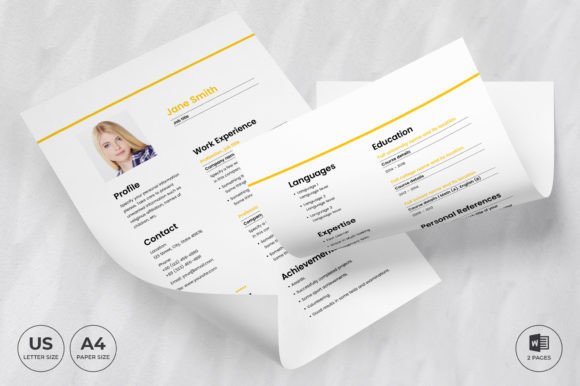
Getting started is straightforward, but a few best practices will ensure your final document is flawless. First, choose the right size: the Resume Letter (8.5×11in) for US applications or Resume A4 (210×297mm) for international opportunities. Next, focus on content. Use the template’s structure to highlight quantifiable achievements. Instead of “Responsible for pre-flight checks,” write “Conducted meticulous pre-flight checks on 1,500+ flights, maintaining a 100% safety compliance record.”
When it comes to font pairing, the included free fonts are selected for their readability and professional tone. However, if you choose to experiment, stick to the rule of two: a clean sans serif font for body text and a complementary serif font for headings can create a classic, authoritative look. Avoid overly decorative script fonts or handwritten fonts for the main content; they hinder readability and can seem unprofessional in this context. Always print a test copy or view the PDF on different devices to check spacing and clarity.
Finally, remember the goal: to create a document that is print-ready and ATS-friendly. Use the 2-page format wisely if you have extensive experience, but ensure every line adds value. This premium font template provides the framework; your unique experience and careful customization provide the substance. By combining a professional, modern design with your personal career narrative, you transform your CV from a simple record into a powerful tool that opens doors and secures interviews in the skies and beyond.